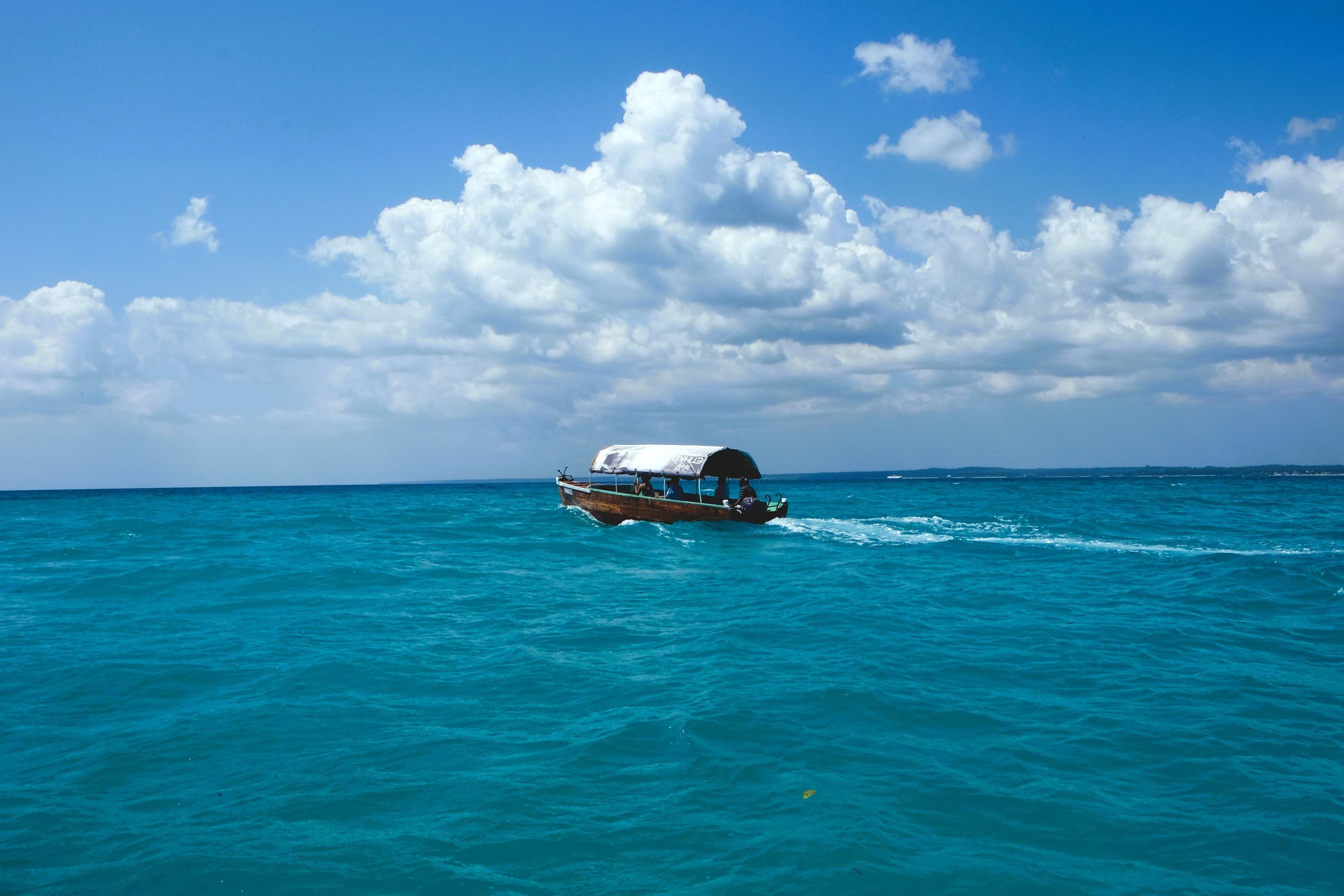
Places like Zanzibar are usually photographed for the beaches and the color of the water, but once you spend some time along the coast the small working boats become just as much part of the place. They are everywhere: pulled onto the sand, sitting in shallow water at low tide or heading out for fishing, often along shorelines where boats have been part of everyday life for generations.
The ngalawa is one of the boats that kept catching my attention. It is a traditional double-outrigger fishing boat found along the East African coast, particularly around Zanzibar, and the outriggers make the boat easy to recognize before you know anything else about it. The main hull is carved from a log and extended with additional timber, while the outriggers give a very narrow hull the stability it needs.
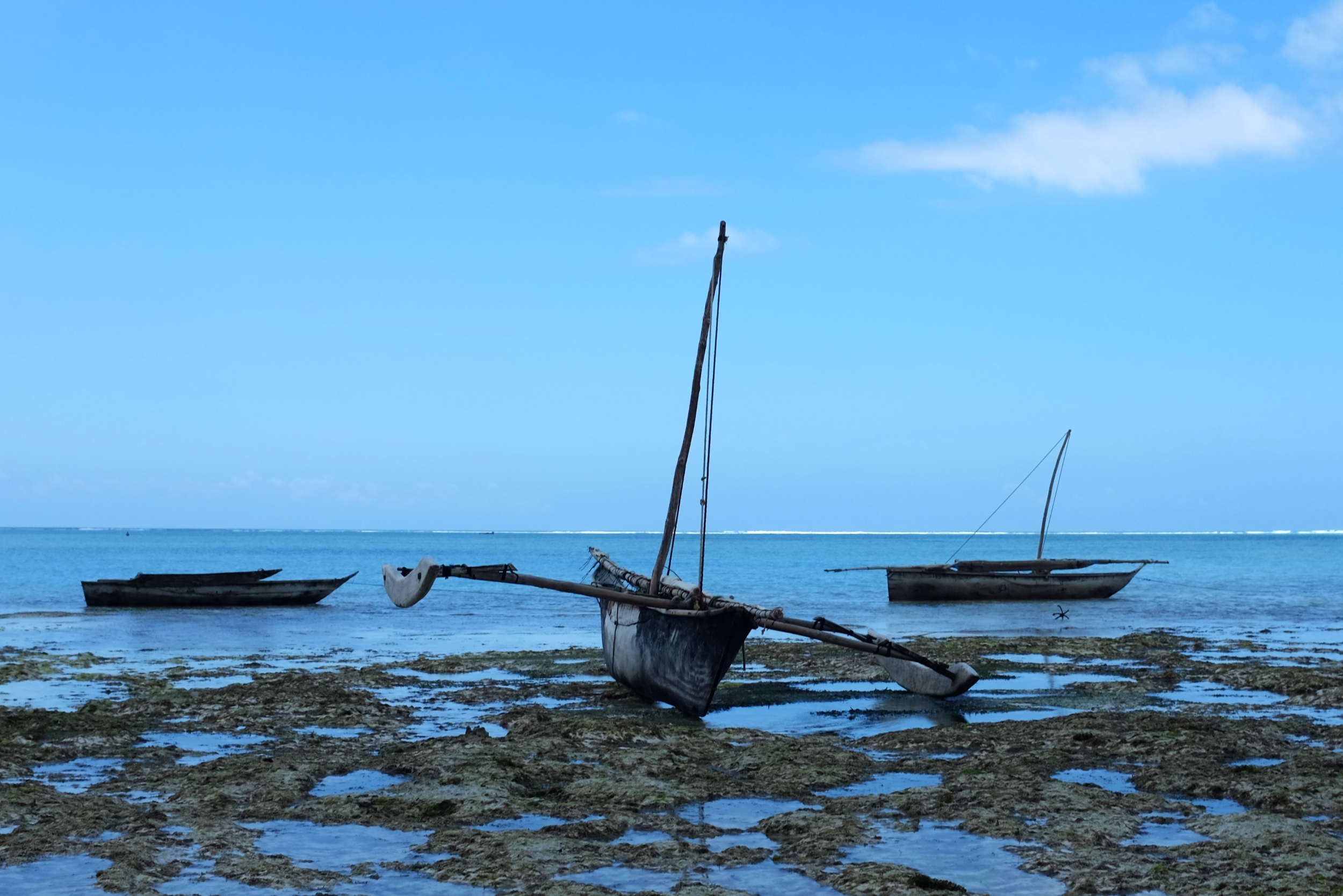
Many are still used for fishing, sometimes under sail and sometimes with paddles or small outboard motors. These boats have a lot going on beneath the simple look, and if you research into ngalawa construction around Zanzibar and the nearby Tanzanian coast, you start finding locally available woods such as mango being used for the main hull, while lighter timber such as cashew can be used elsewhere in the boat, as you would expect.
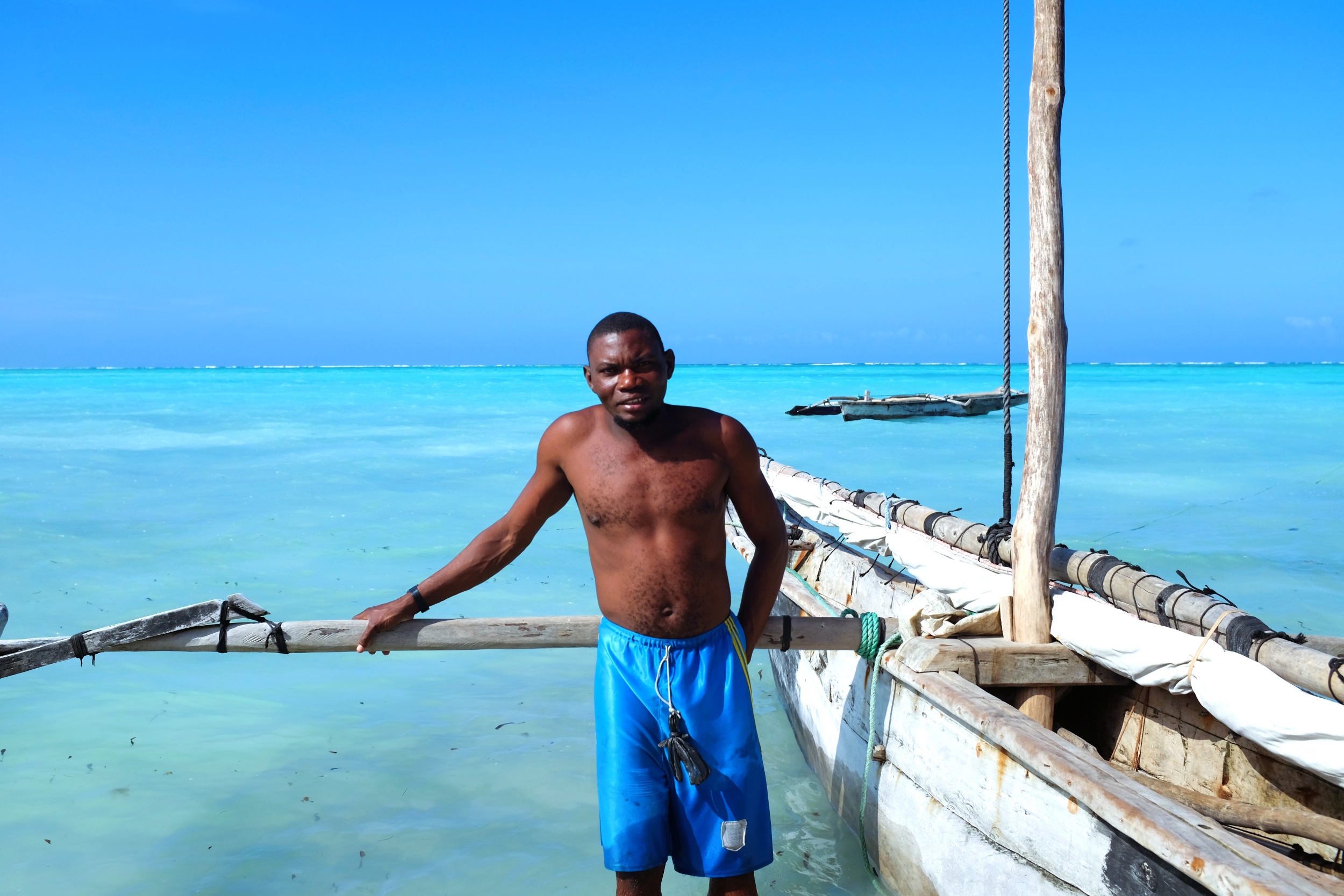
Today we normally think about naval architecture through drawings, calculations, software, engineering standards and defined construction methods. Traditional boatbuilding developed differently: the knowledge was passed from one generation to another through direct experience and all the trial and error that came with it.
The tools have changed as well: modern tools such as chainsaws can now be used for the rough shaping of a hull that would previously have been worked mainly with axes and adzes, while much of the final shaping and fitting is still carried out by hand and the boat still depends on practical knowledge of the material and how the finished craft needs to behave as it was hundreds of years ago, that's engineering without actual engineering.
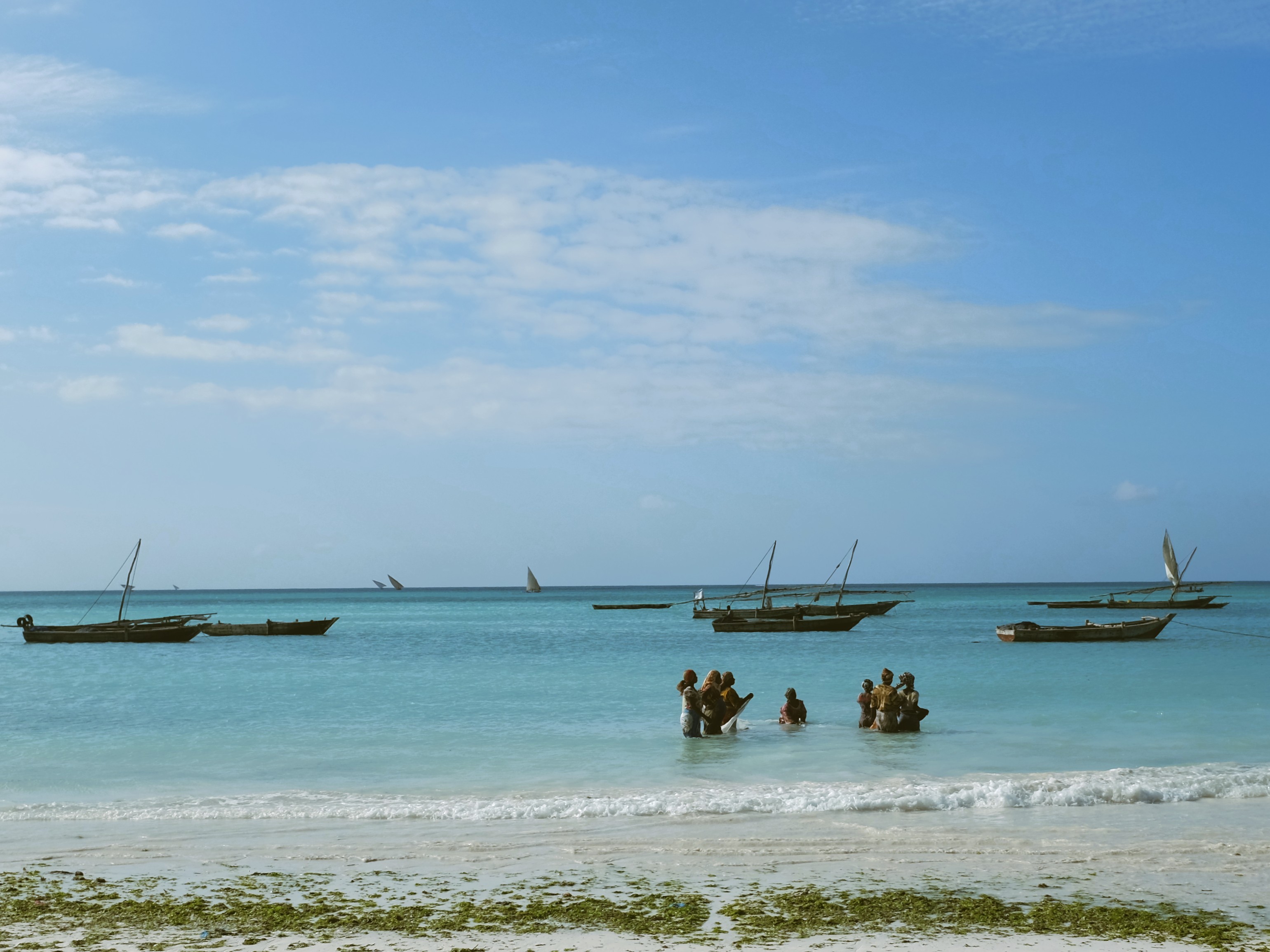
The shallow coastal water around Zanzibar also influenced how local boatbuilders imagined these boats and what they needed them to do. A fishing boat working close to shore does not need to solve the same problems as something operating far offshore, and that reality finds its way into the hull and the way the boat is used. It also has to remain something that can actually be built and repaired locally, which matters just as much as the shape itself.
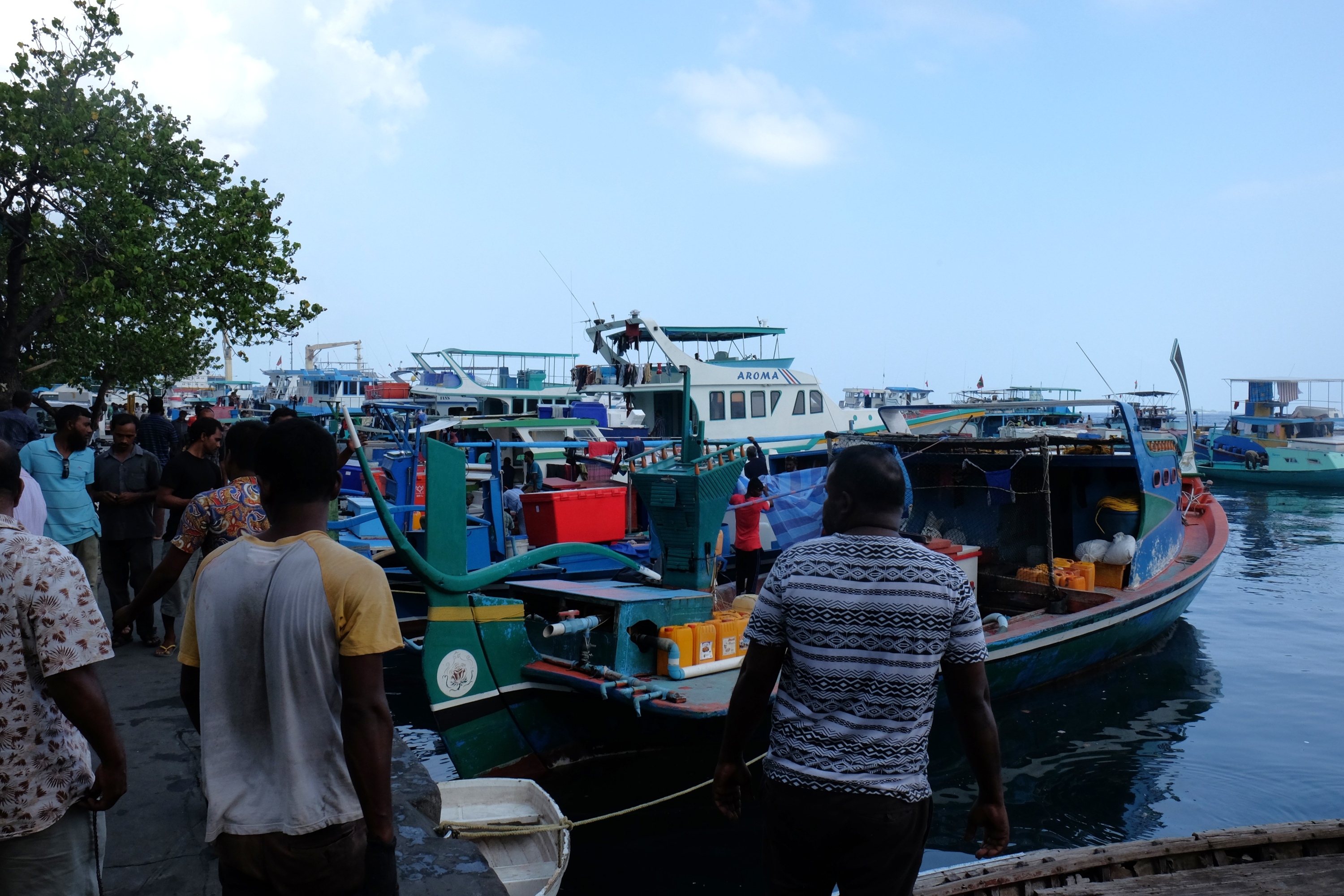
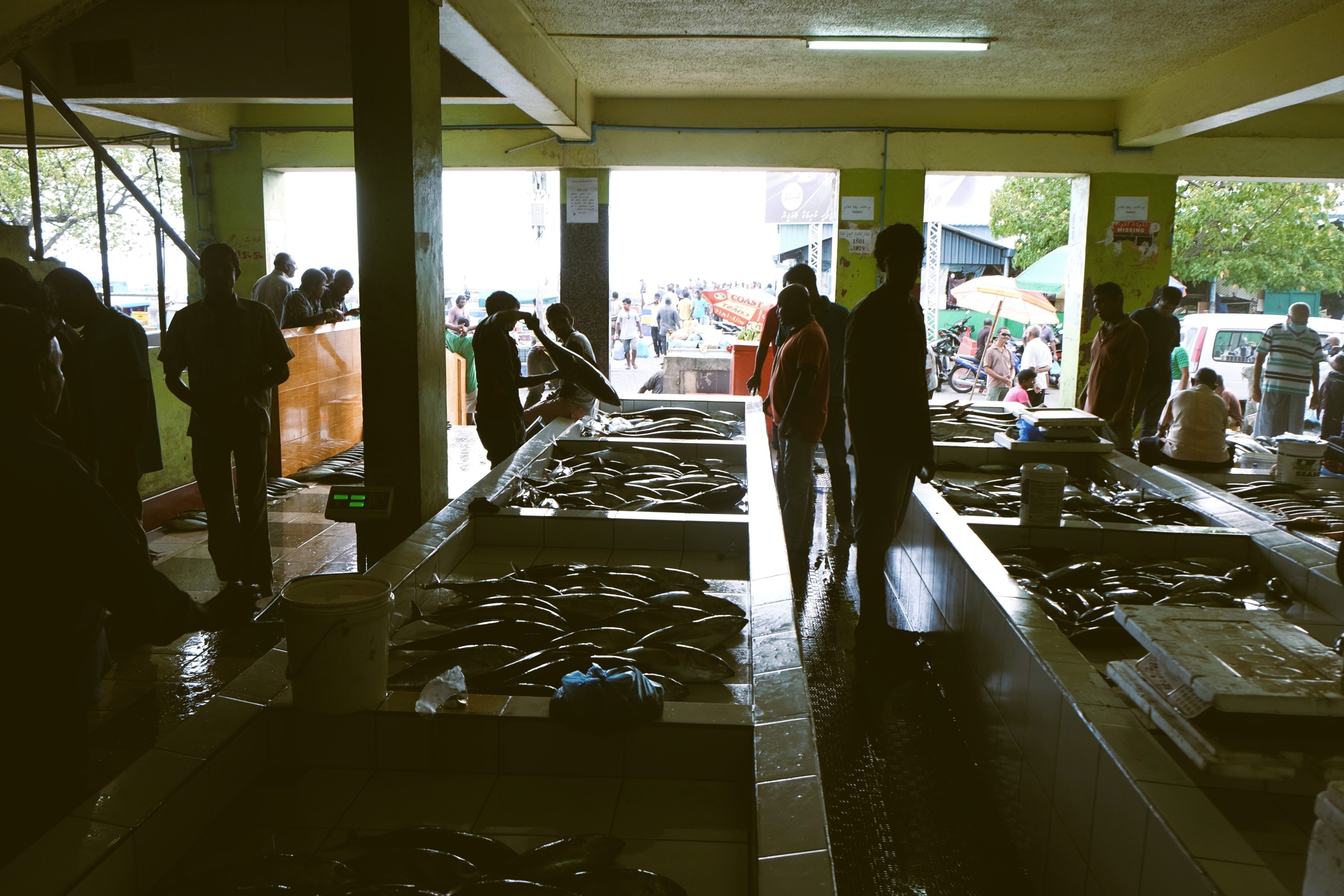
The Maldives gave me a slightly different version of the same connection. The dhoni has its own long boatbuilding tradition and developed over centuries around fishing and movement between islands. I do not have the same amount of boat material photos from my time there, so I would not try to compare it directly with Zanzibar, but around Malé the relationship between boats and everyday life is difficult to miss.
The dhoni, like everything else, has evolved over time as it was increasingly fitted with engines during the twentieth century and the fishing fleet became mechanized. Boats could travel farther, and the way they were operated changed with them.
Around the harbour and fish market in Malé, that connection is still very visible. The boat is never really just the boat... and in Zanzibar especially, much of the knowledge behind them is still there in plain sight.