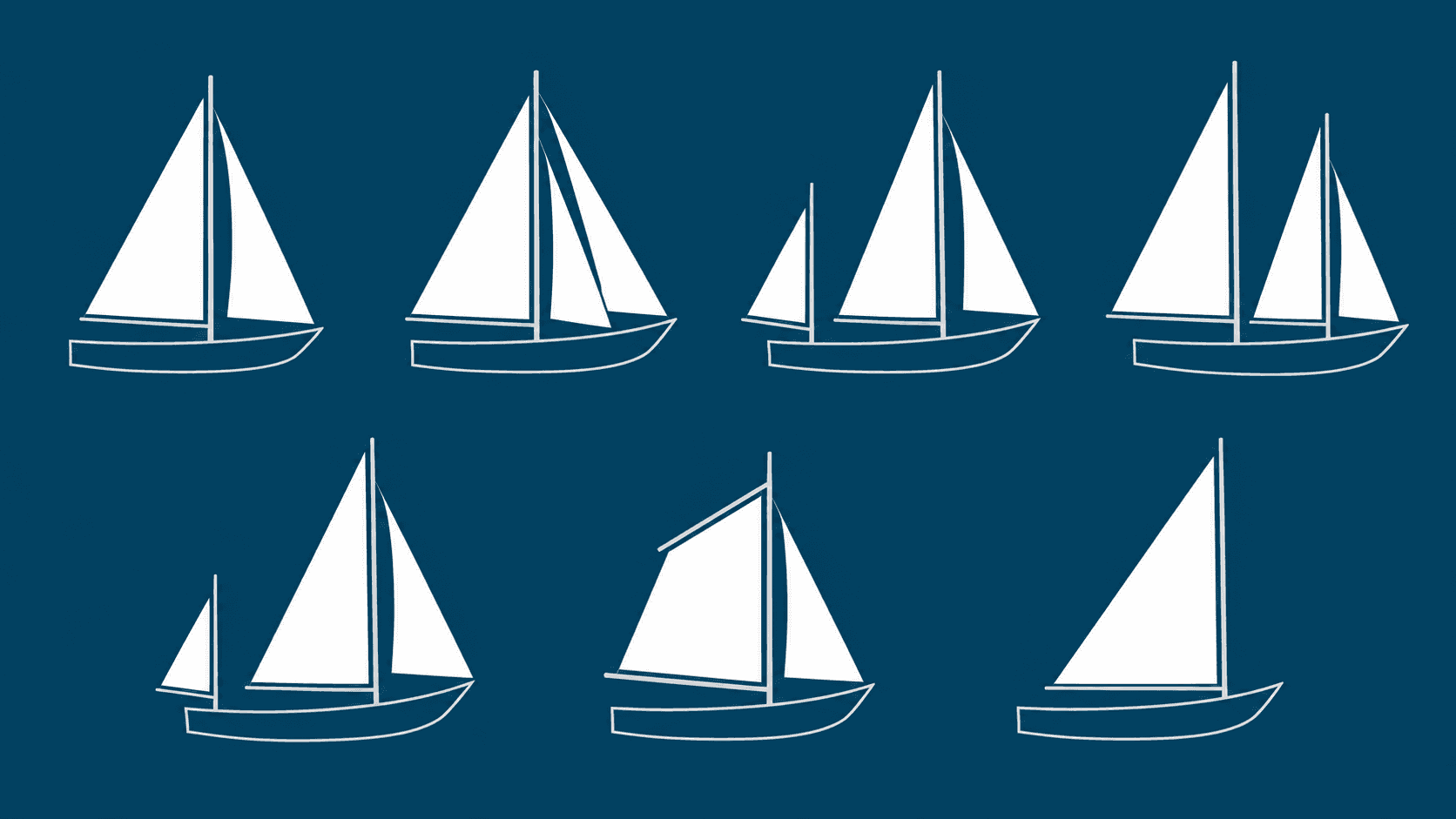
If you put a few sailing yachts next to each other, the differences above deck start becoming pretty obvious: some have one mast, others have two, some carry one sail forward while others divide that space between two. They are all using the wind to move the boat, but how they arrange the sails can be very different.
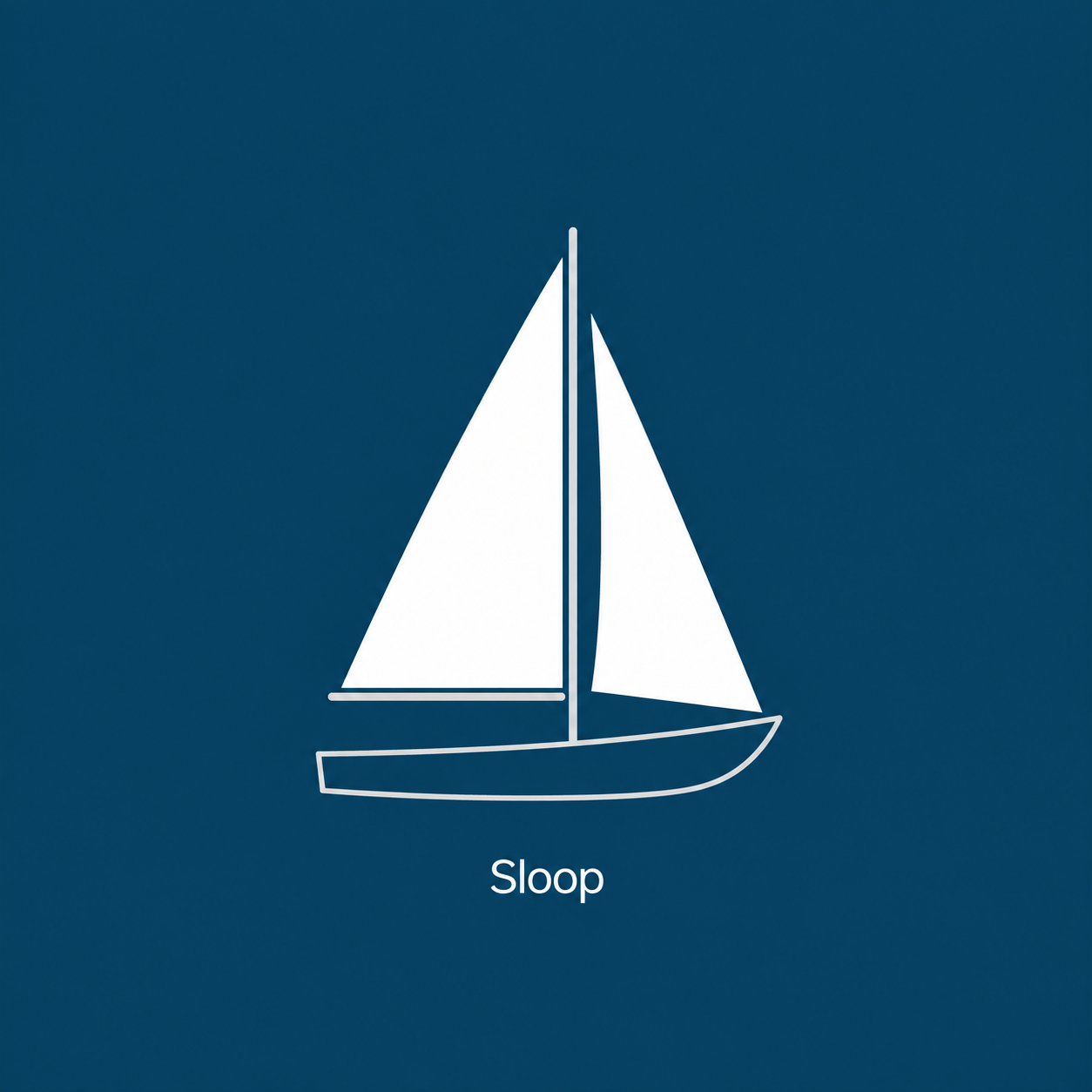
Sloop
The sloop is probably the easiest place to start because it is the most familiar arrangement on modern sailing yachts. One mast carries a mainsail behind it and a headsail in front, keeping the whole setup relatively simple while still giving the yacht an efficient sail plan. On a huge number of sailing boats that basic combination is all that is needed.
Cutter
A cutter can look pretty similar at first because there is still only one mast, but look forward and another stay and sail appear. Instead of asking one large headsail to do everything, the sail area forward of the mast can be divided between a headsail and a smaller staysail; that gives the crew more options as the wind changes and can make the individual sails easier to handle, especially when the boat is designed around longer-distance cruising.
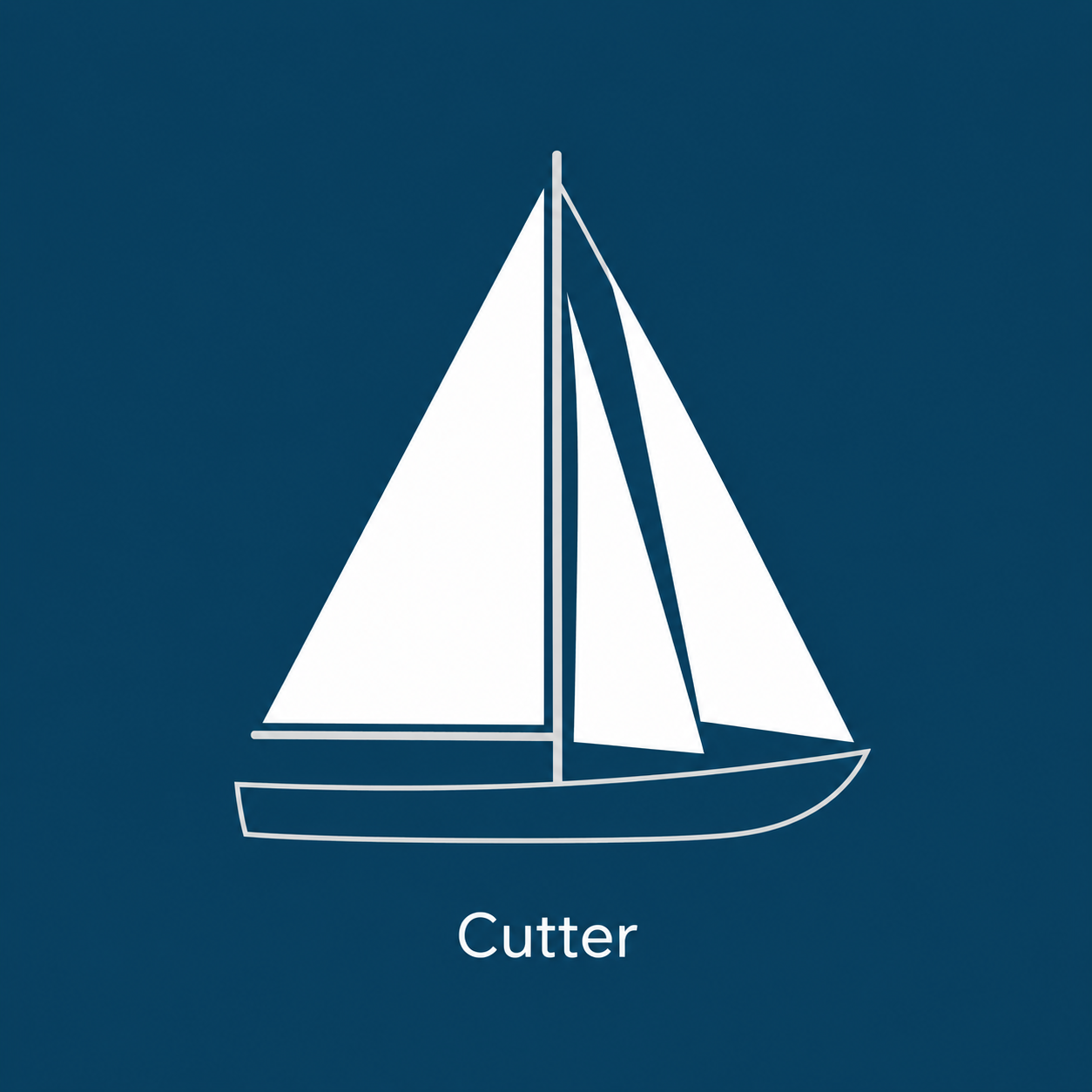
Ketch
Then there is the ketch, where the sail area is divided even further by adding a second, smaller mast behind the main one. That smaller mast is the mizzen, and now the yacht can spread its sail area between several smaller sails rather than concentrating everything around one large mast and mainsail. The rig becomes more complicated of course, but on a larger cruising yacht being able to divide the sail area this way can make a lot of sense.
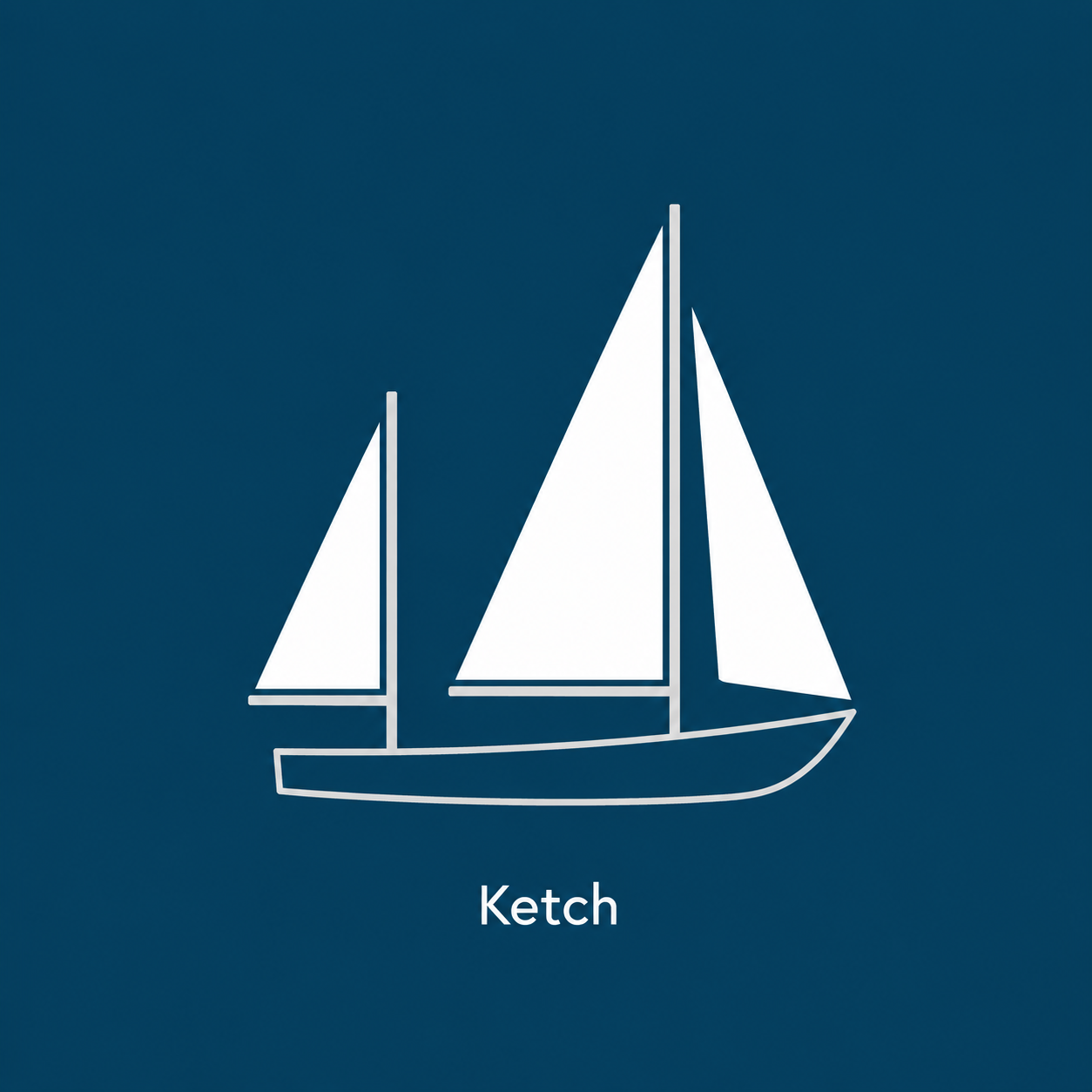
Schooner
A schooner also uses more than one mast, but the arrangement changes again: the forward mast is shorter than the mainmast behind it. Schooners have a long connection with fast sailing vessels and yacht racing, especially among larger and classic sailing yachts, and spreading the sail area across several sails becomes particularly useful as the boat gets bigger. The result can also be pretty dramatic visually; some of the large classic racing schooners carry an enormous amount of sail without relying on one single giant mainsail to do all the work.
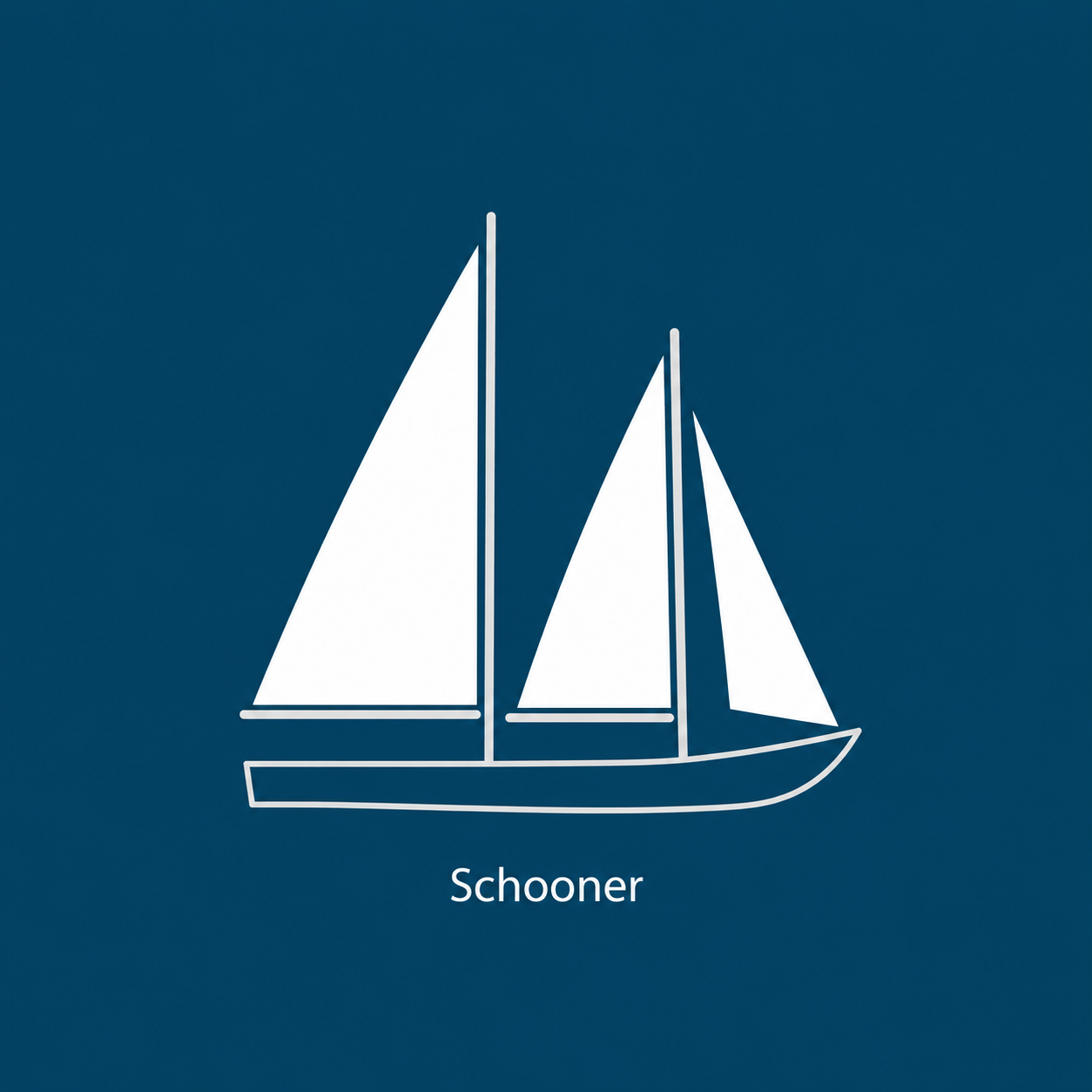
Other rigs
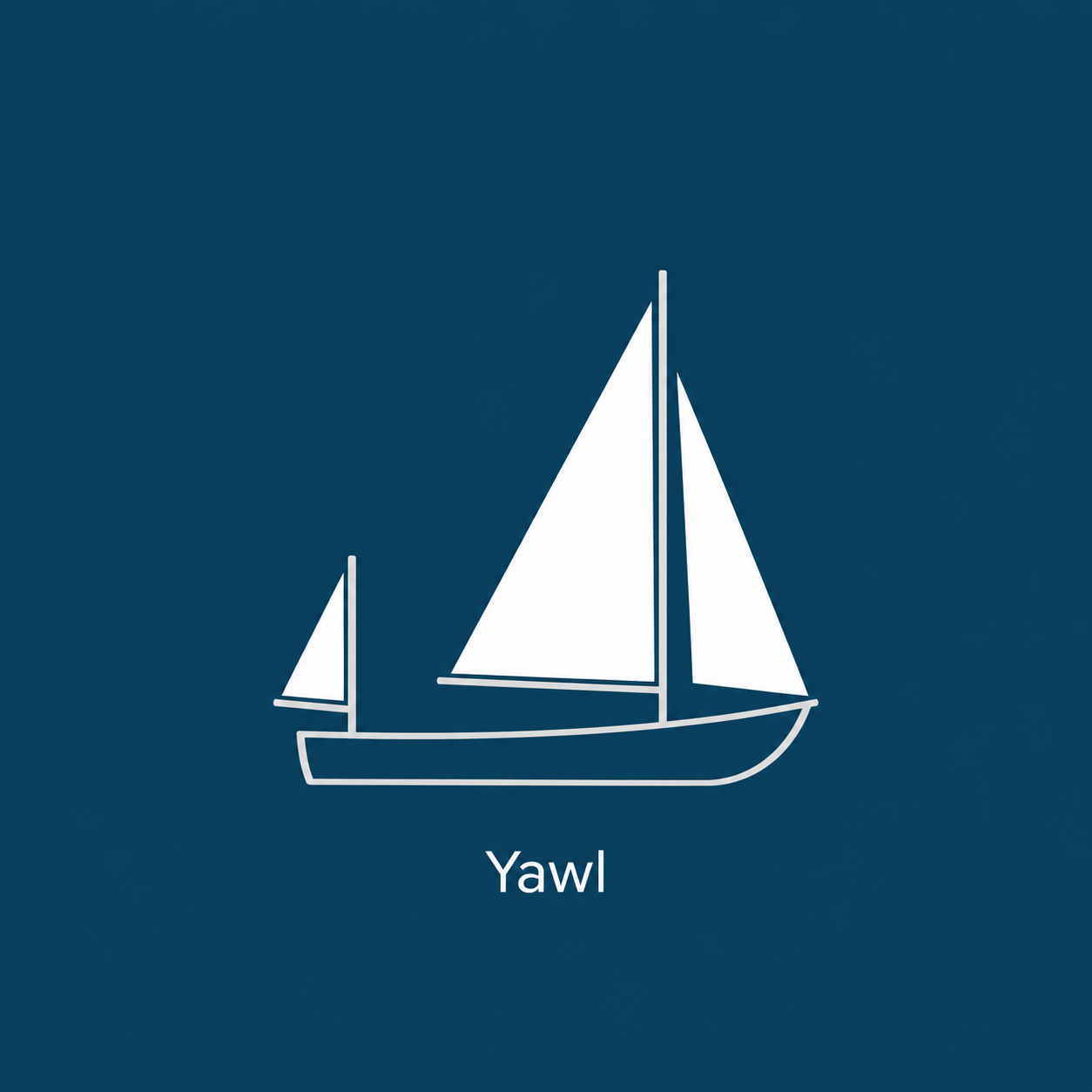
There are plenty of other variations, a yawl ,as an example, looks close to a ketch but carries a much smaller mizzen farther aft, while a gaff rig changes the shape of the mainsail by supporting its upper edge with a spar called the gaff. A cat rig strips things back in the opposite direction, normally using a single mast and a single mainsail. They solve different problems again, but we do not need every variation before the basic pattern starts making sense.
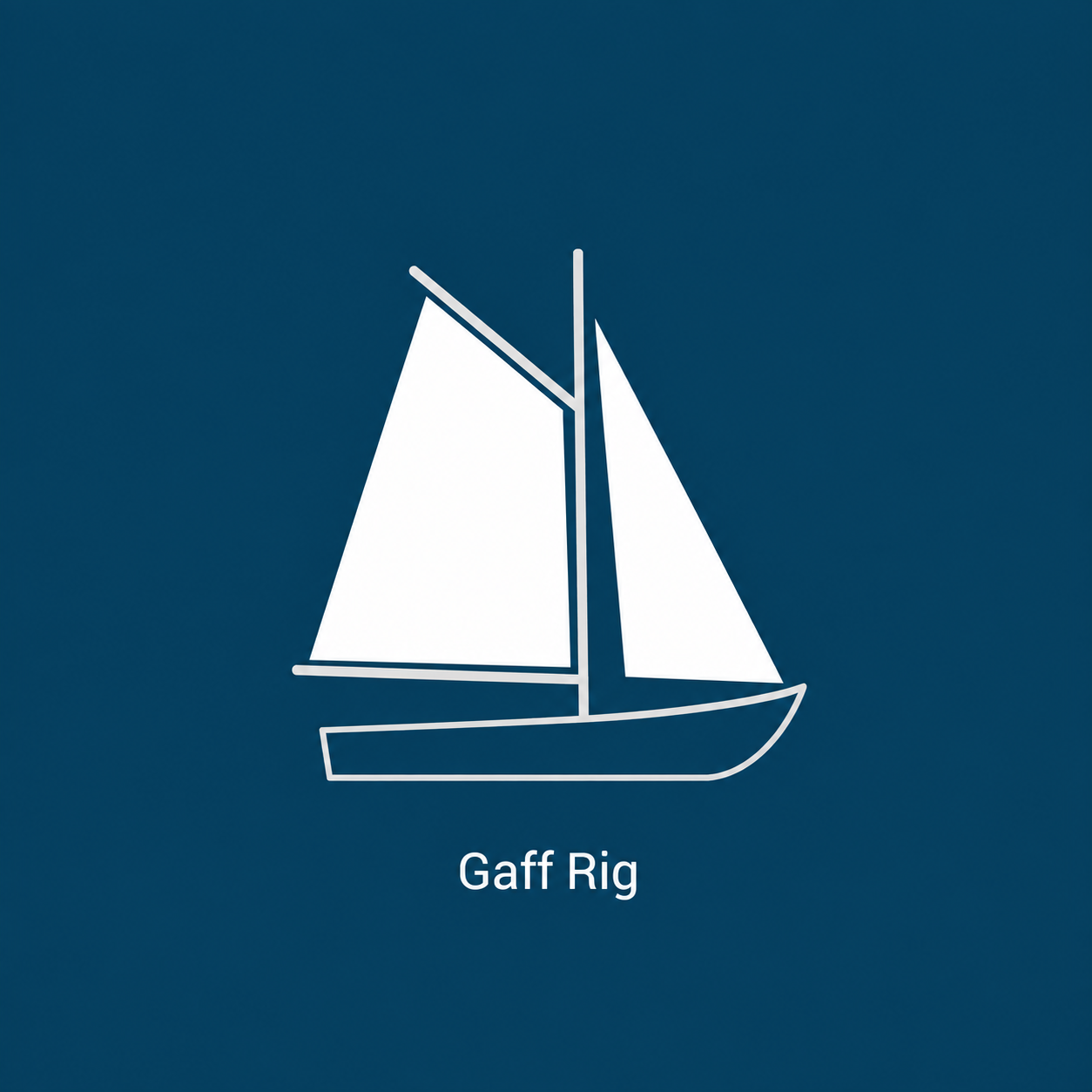
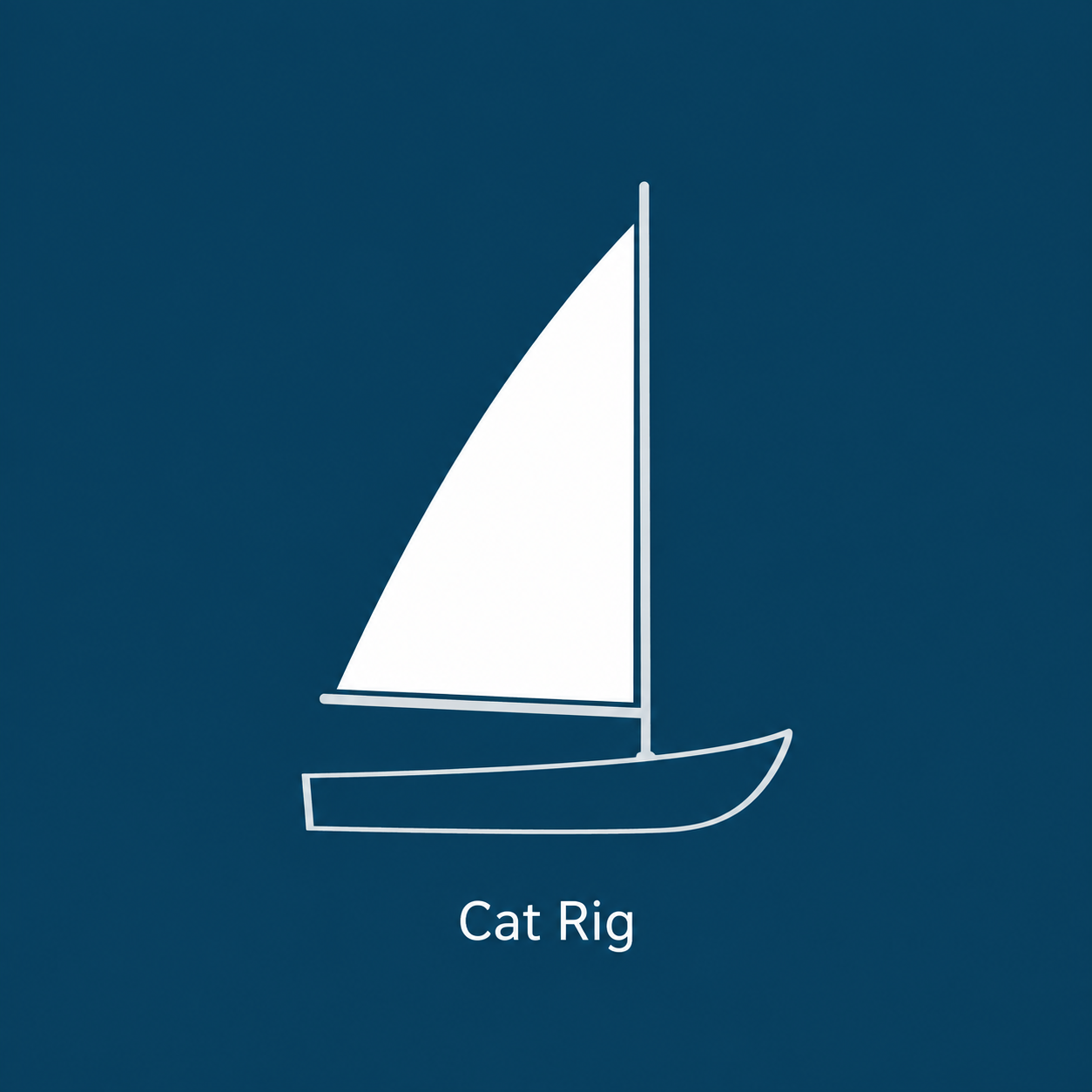
The names can sound like a lot to remember at first, but underneath them the question is much simpler: how much sail does the boat need, and how should that sail area be divided so the boat can actually use it?
P.S. EHBLX as a blog is still new and I am still figuring out content style & ideas... one month from now this post might not be here or I might build more technical stuff over it...